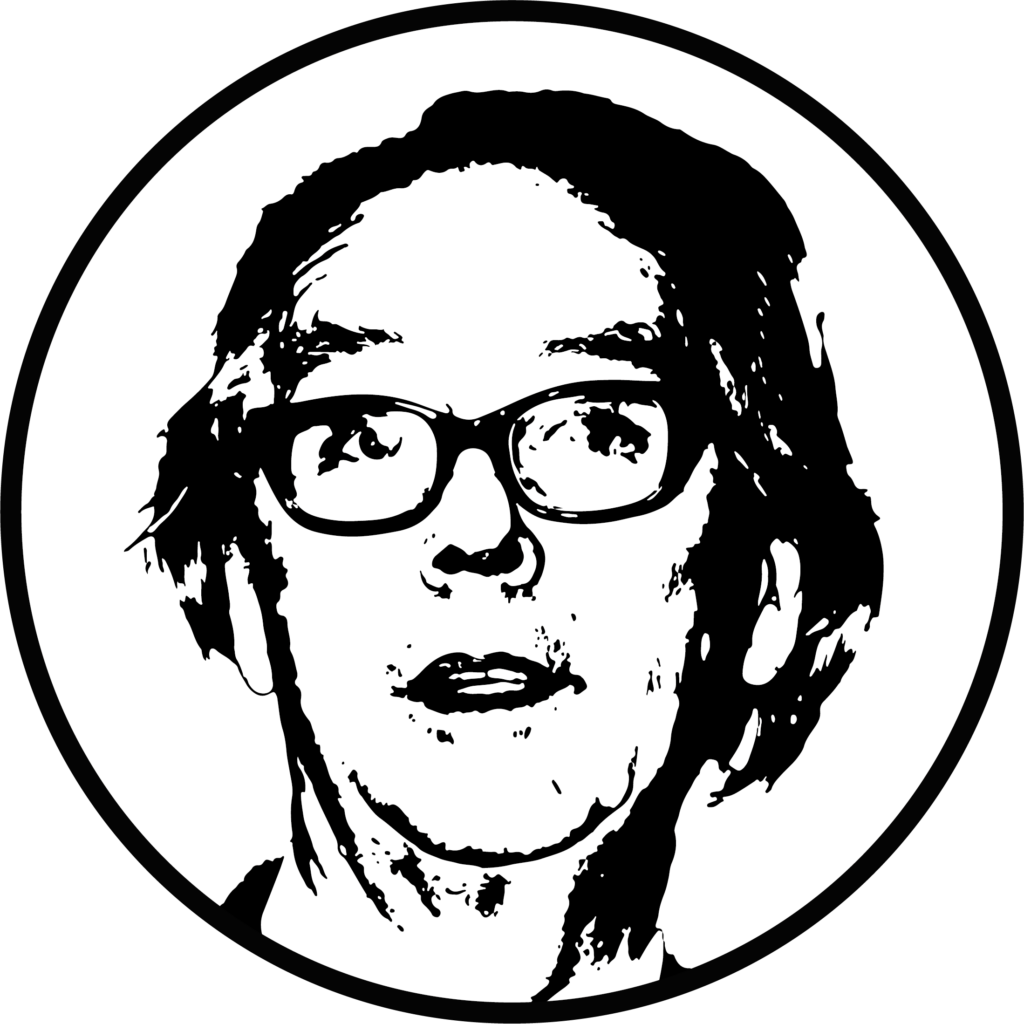
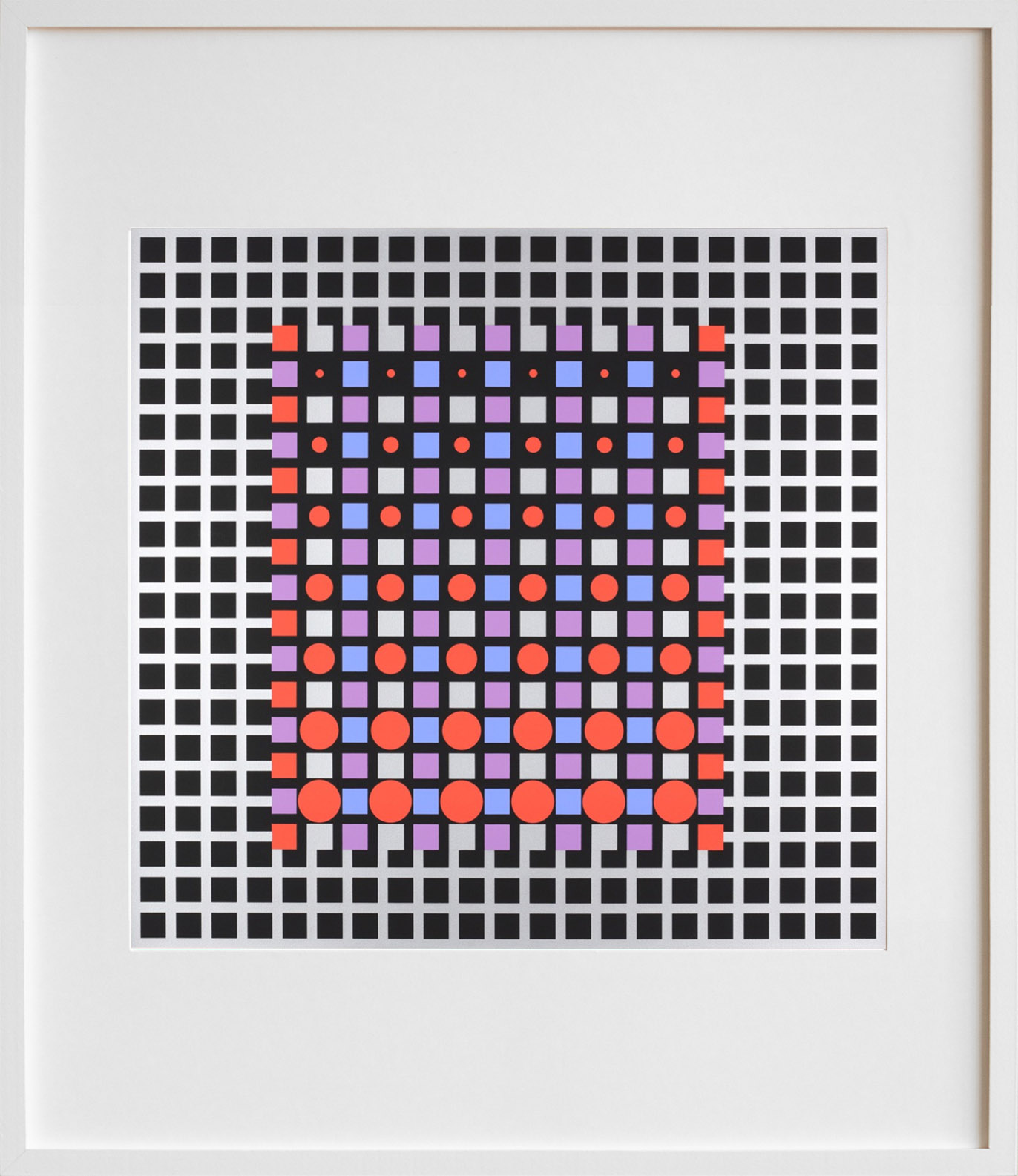
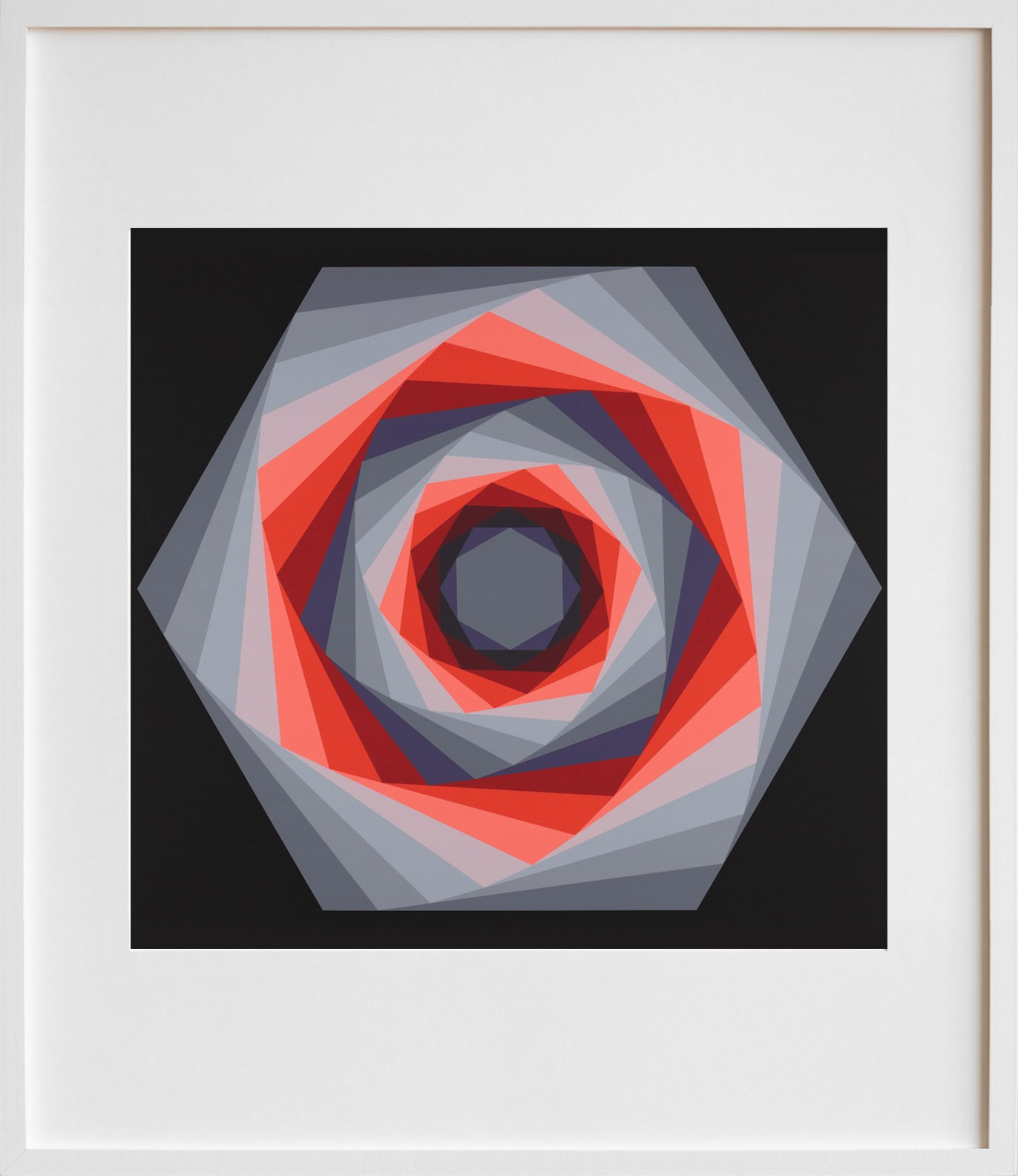
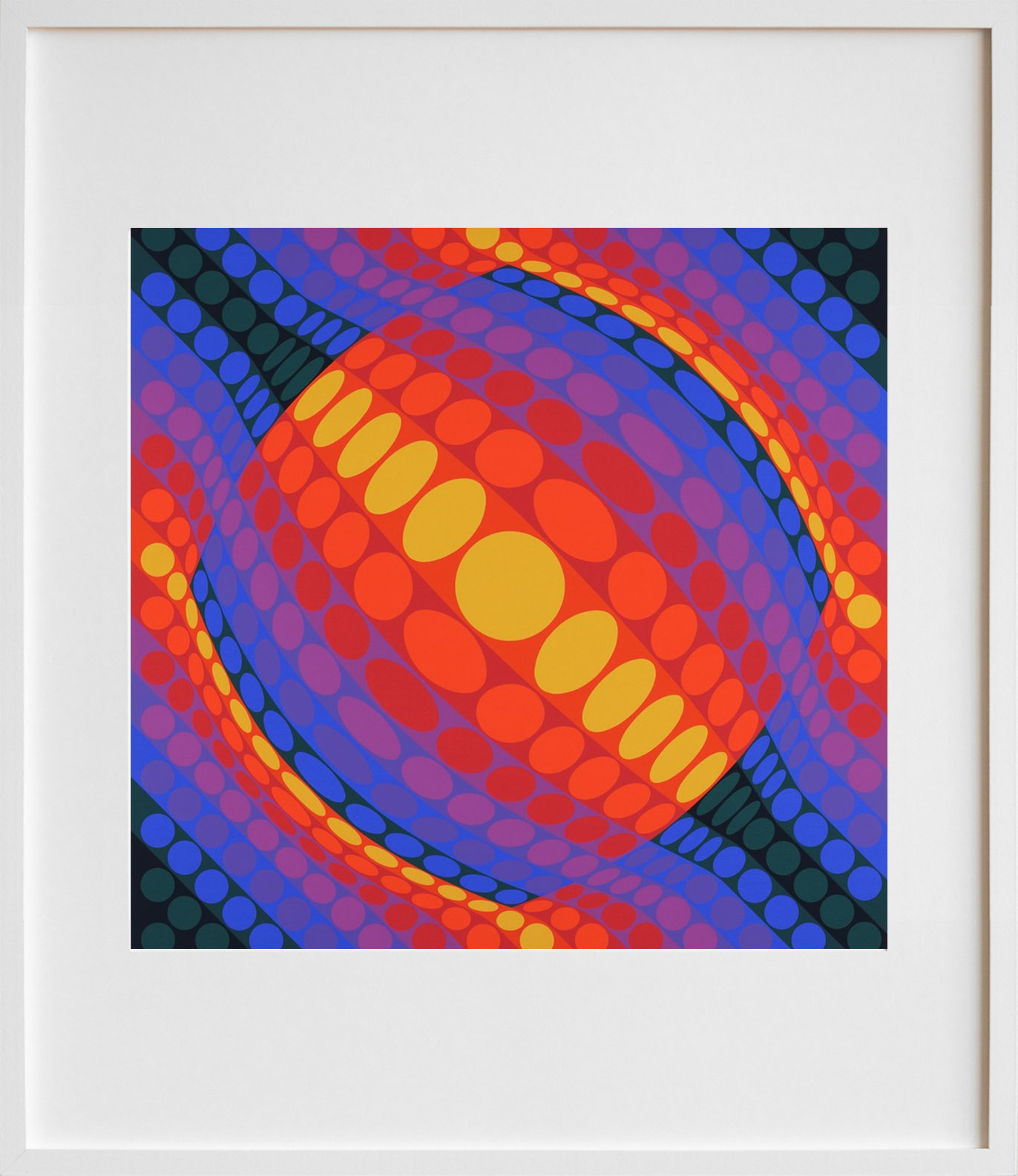
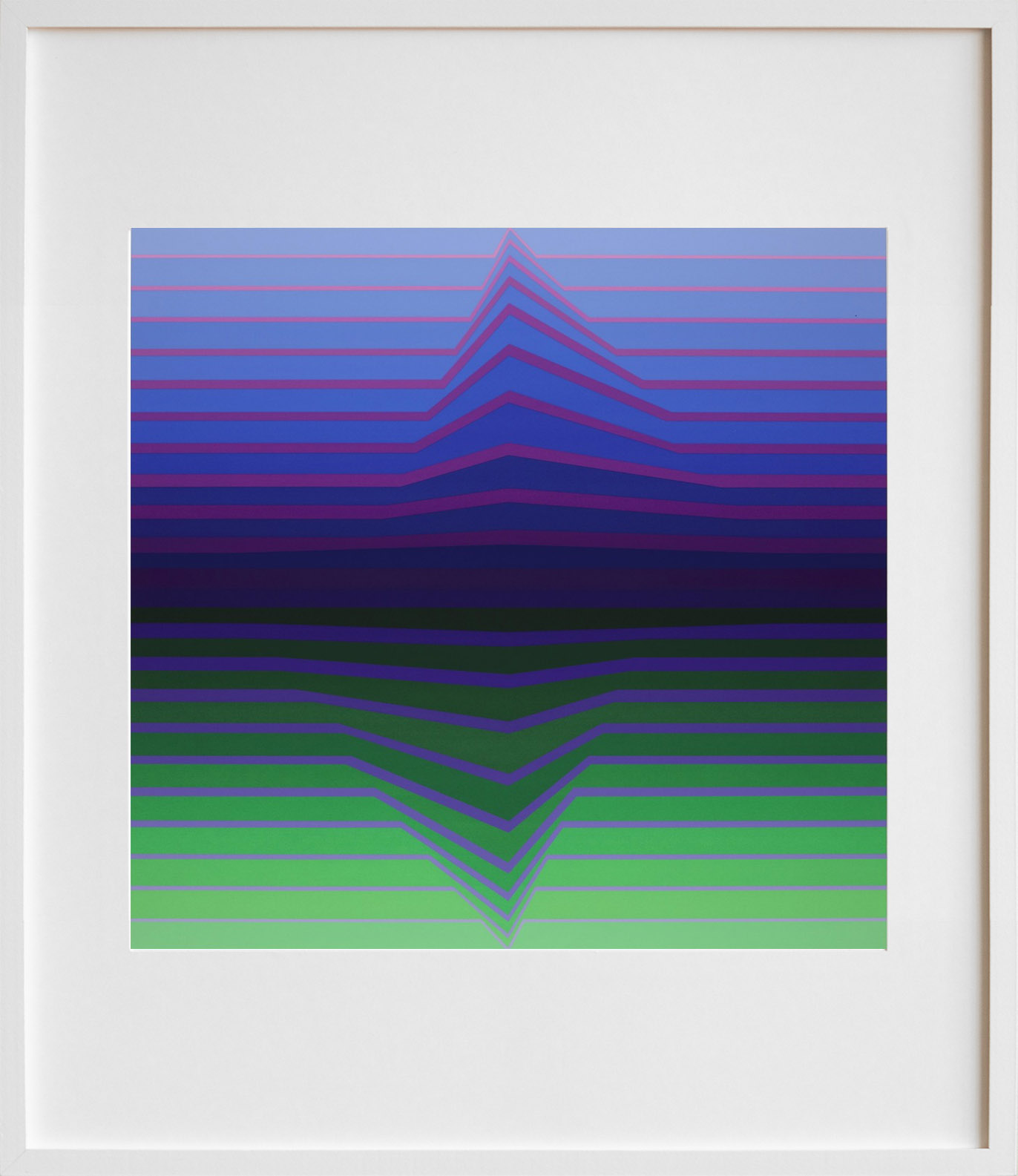
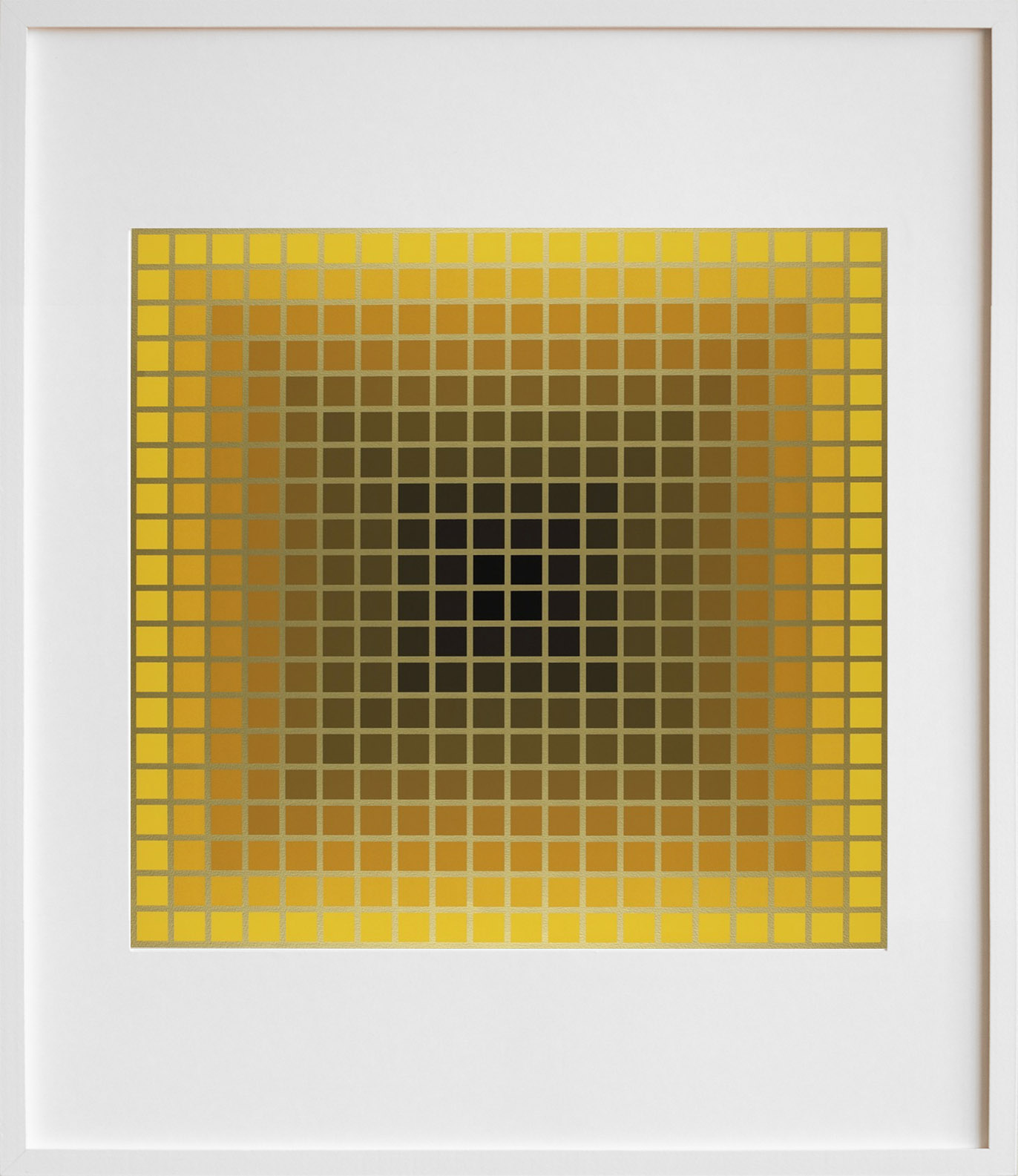
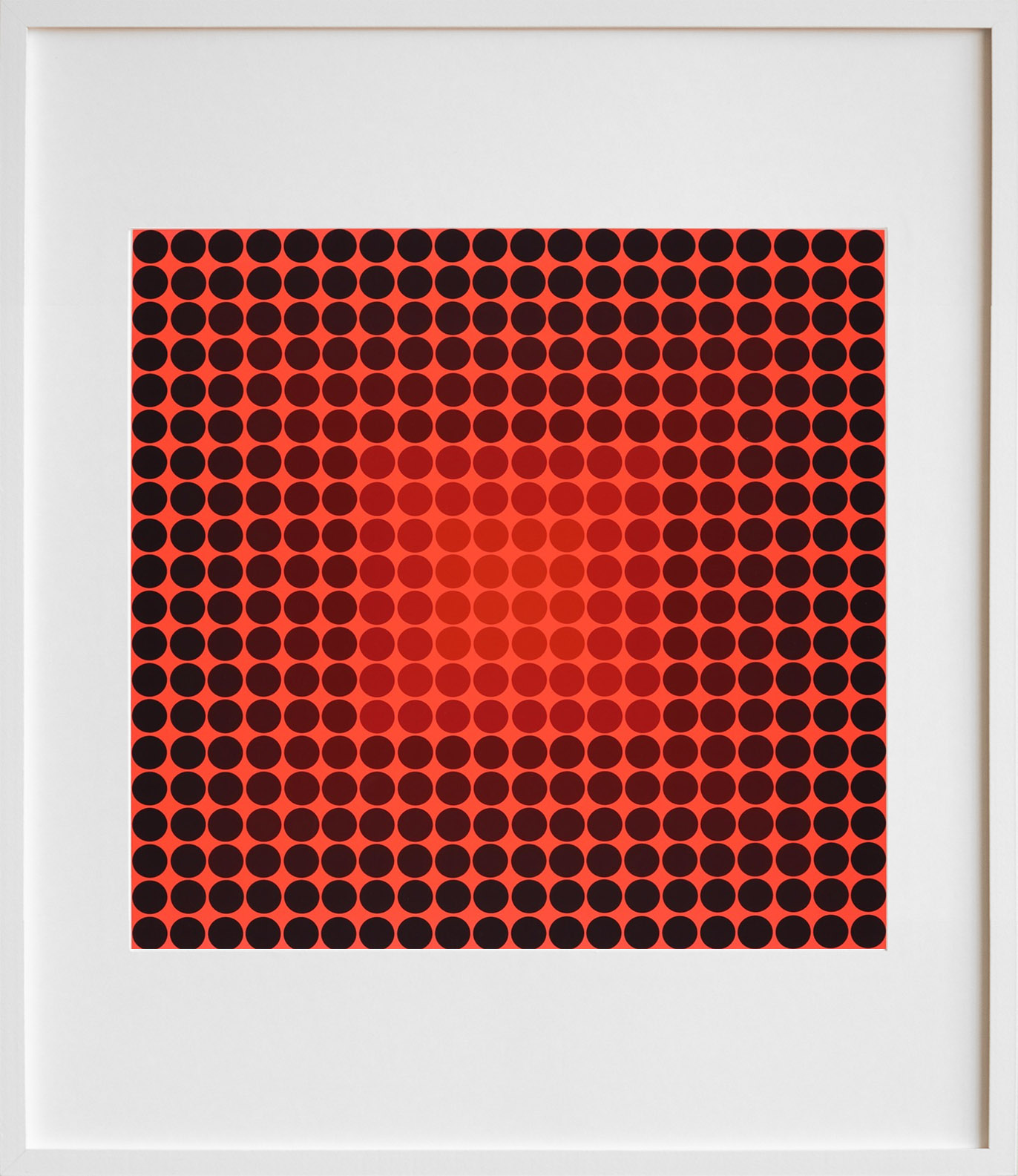
Victor Vasarely (1906 to 1997) was a French painter and graphic artist of Hungarian descent. He is considered one of the co-founders of Op Art. From the 1950s onwards Vasarley developed his program of kinetic art. In his "Yellow Manifesto (Manifest Jaune)" he demanded in 1955 the artwork as a prototype, with repeatability as serial reproducibility and an applicability of his forms beyond art as distinguishing characteristics.
Victor Vasarely won numerous international art prizes in 1965 and 1967. He participated in documenta 1 (1955), documenta II (1959), documenta III (1964) and also the 4th documenta in 1968 in Kassel. In 1972 he developed the diamond logo for Renault.
Vasarely received the Guggenheim Prize in New York in 1964. He was named a Knight of the Order of Arts and Letters in Paris in 1965. Other awards included: Grand Prize of the VIII Biennale of São Paulo; in 1970 he was appointed Knight of the Legion of Honour.
Most of the works shown at the Kunsthalle Hochschwarzwald were acquired from the Foundation Vasarley in Aix-en-Provence and are hand-signed serigraphs. Works by Viktor Vasarely can be seen, among others, in numerous museums.
• Centre Pompidou, Paris, France • Museum of Modern Art, New York City, USA • Tate Modern, London, England • Hirshhorn Museum and Sculpture Garden, Washington, D.C., USA • Museum Ludwig, Cologne, Germany • Stedelijk Museum, Amsterdam, Netherlands • Centre Georges Pompidou-Metz, Metz, France • Art Institute of Chicago, Chicago, USA • Museum of Fine Arts, Boston, USA • The Phillips Collection, Washington, D.C., USA
• Centre Pompidou, Paris, France • Museum of Modern Art, New York City, USA • Tate Modern, London, England • Hirshhorn Museum & Sculpture Garden, Washington D.C. • Museum Ludwig, Cologne, Germany • Stedelijk Museum, Amsterdam, Netherlands • Centre Georges Pompidou-Metz, Metz, France • Art Institute of Chicago, Chicago, USA • Museum of Fine Arts, Boston, USA • The Phillips Collection, Washington D.C., USA